Rotunda of St John the Baptist
Gozo's enormous domed church dominates the island's skyline and is one of its most remarkable examples of modern Gozitan craftsmanship.
Gozo's churches are closely tied to the island's villages, history, art and community traditions. This page records the church as a heritage place as well as a living place of worship.
At a glance
Location
Pjazza San Ġwann Battista
Xewkija, Gozo
Malta
The Rotunda stands at the centre of Xewkija and is one of the most recognisable buildings in Gozo. Its enormous dome dominates the village skyline and can be seen from many parts of the island.
Coordinates:
36.031798, 14.261119
Photographs
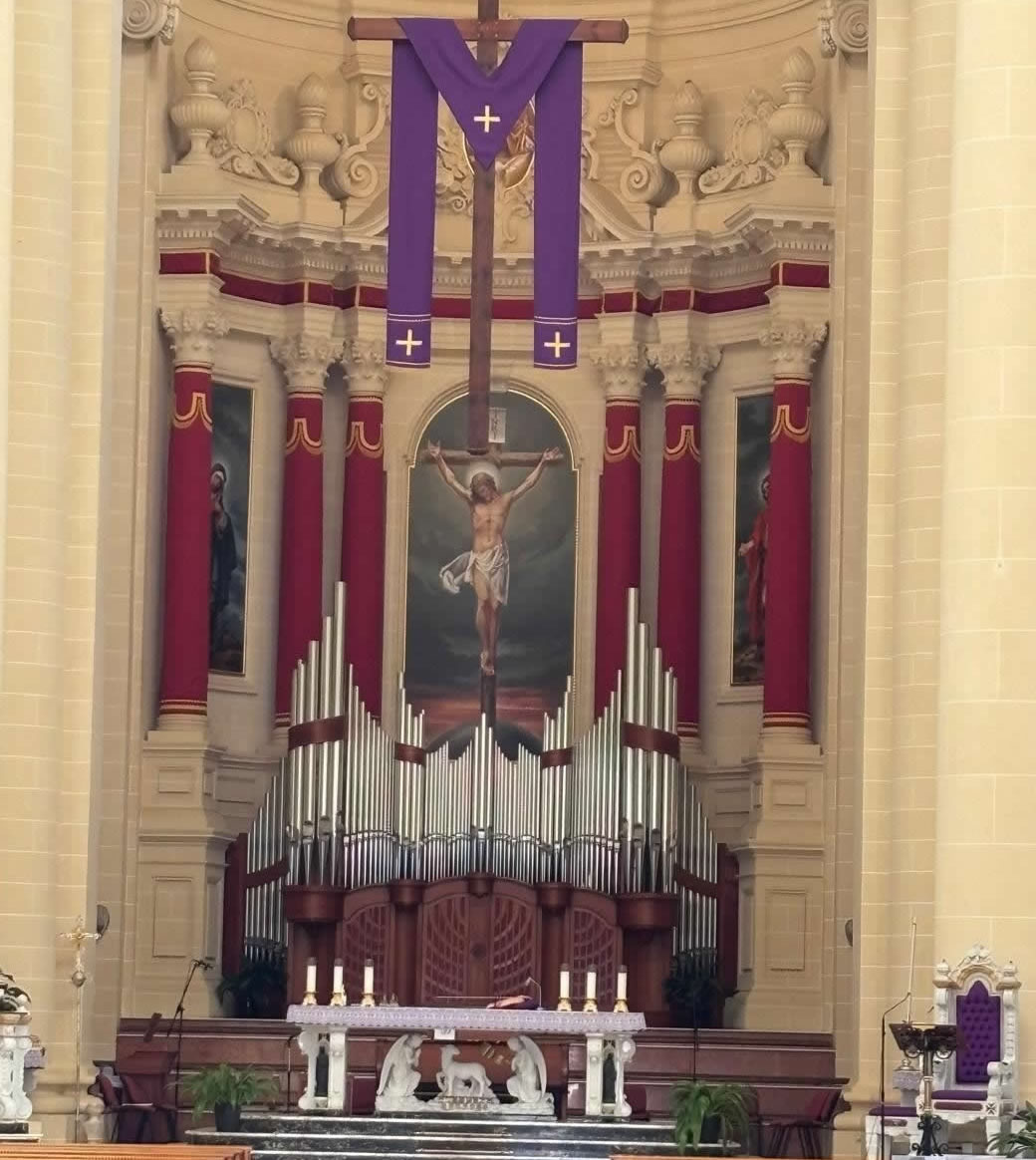
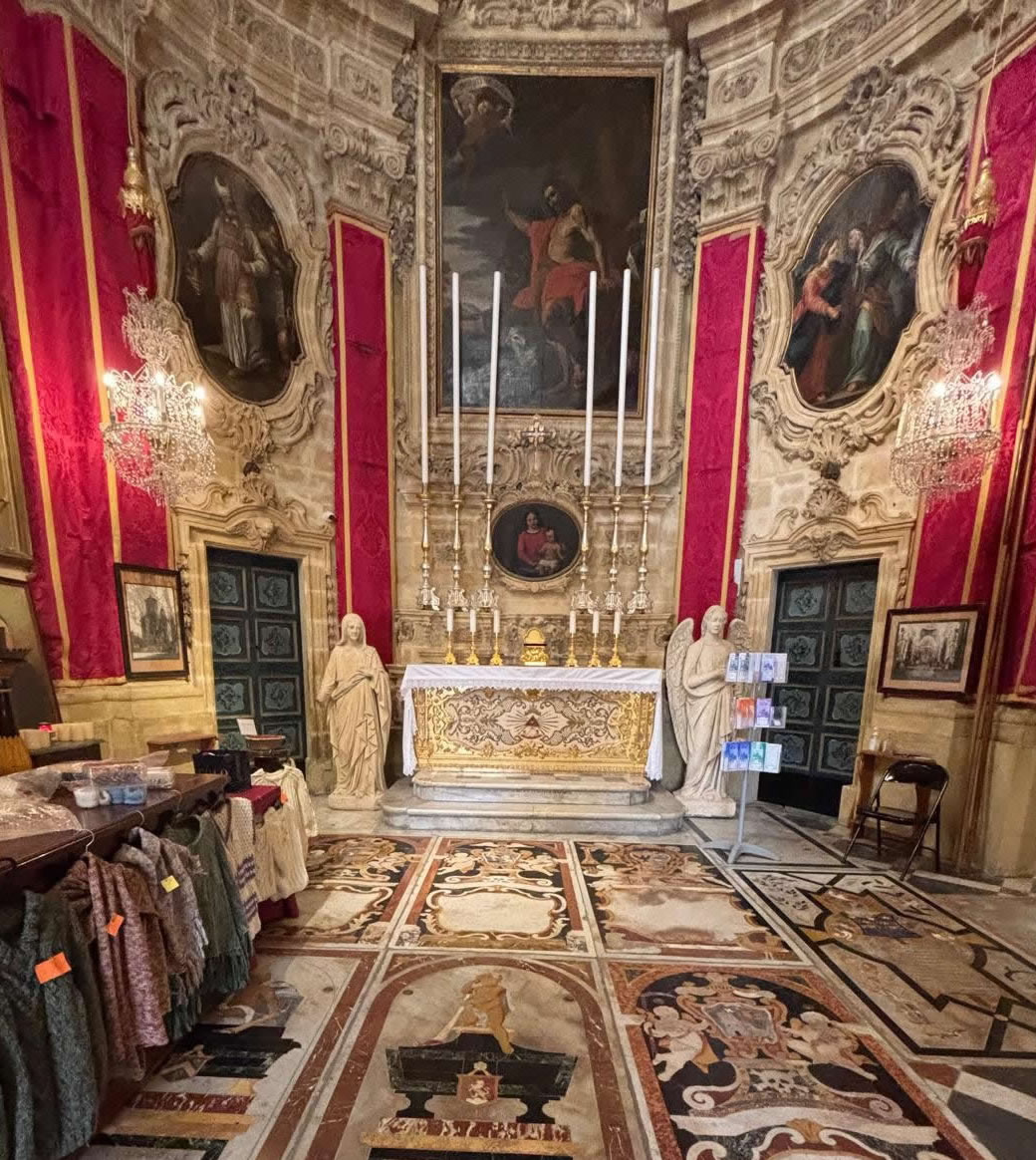
History
Xewkija became a parish in 1678. After the Second World War parishioners decided to replace the older church. Architect Joseph D'Amato designed the new building, inspired by Santa Maria della Salute in Venice. Construction began in 1951 and continued for about twenty years.
What to look for
The church is famous for its vast unsupported dome and the scale of its interior. Local craftsmen contributed much of the stonework and the building became a symbol of Xewkija's community effort.
Visiting the church
The Rotunda is one of Gozo's most recognisable landmarks. The interior and upper areas give a strong sense of the extraordinary scale of the structure.
As with all active places of worship, visitors should dress respectfully and avoid disturbing services, prayer or local celebrations. Opening arrangements can vary, so check locally if you need guaranteed access.
Churches and village life
For centuries, the parish church has been one of the main landmarks of a Gozitan village. The church square, festa traditions, band clubs and surrounding streets often form the social heart of the community.
Explore the Gozo villages to see how this church fits into its wider village landscape.
Frequently asked questions
Where is Rotunda of St John the Baptist?
Xewkija.
Who is the church dedicated to?
St John the Baptist.
Is the church a historic building?
Yes. It forms part of Gozo's architectural and religious heritage, with its history closely connected to the development of the surrounding village.
Can visitors enter?
The church is an active place of worship. Access is generally subject to religious services and local arrangements, so visitors should be respectful and check locally when necessary.
Explore more Gozo churches
Continue through the e-Malta collection of important churches and religious sites.